


Top Reasons for Coupling Failure (and How to Prevent Them)
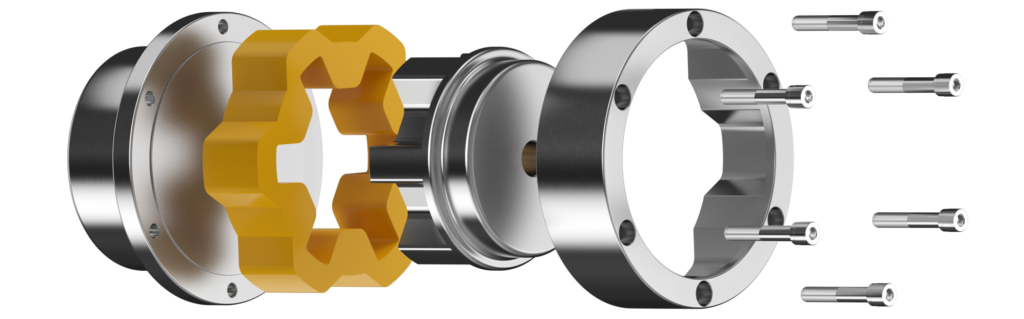
A coupling connects the driver to the driven equipment and transmits torque from one shaft to the other. If it fails, the drive train could experience unwanted downtime and lost production. On the other hand, flexible couplings, if designed and operated properly, are designed to be the fuse in the drive train. Couplings are meant to protect the more expensive connected components.
In most plants, even a brief outage from a failed coupling can disrupt operations and increase maintenance costs. Understanding why coupling failures occur helps both engineering and maintenance personnel extend system life while reducing operational risk.
U.S. Tsubaki’s Atra-Flex® couplings are built for reliable torque transmission under demanding operating conditions. In this article, we take a closer look at reasons for coupling failure, why it happens, and how Atra-Flex® couplings are designed to help prevent it.
What Is Coupling Failure?
Coupling failure occurs when a coupling can no longer transmit torque reliably or smoothly. It may result from wear, fatigue, misalignment, or environmental conditions. Failure can be partial, such as degraded inserts or increased vibration. Or, it could be complete, leading to a loss of torque transmission.
In most cases, failure can occur gradually as heat and misalignment cause uneven loading that worsens over time. Common warning signs include:
- Increased vibration or noise during operation
- Visible cracks, fretting, or corrosion
- Elastomer inserts showing deformation, brittleness, or discoloration
- Measurable misalignment that increases between maintenance intervals
Detecting these early symptoms allows teams to act before minor issues develop into mechanical damage and unplanned downtime.
10 Most Common Reasons for Coupling Failure
Coupling failure causes can be categorized as mechanical stress, environmental exposure, and incorrect selection. Recognizing these conditions can help teams prevent unplanned downtime.
Misalignment
A coupling can only perform as well as the alignment between the shafts it connects. Coupling alignment is performed for the benefit of the system as often times, the coupling can handle a greater misalignment than the connected equipment. System alignment can also change over time. A good initial alignment per the coupling OEM installation manual will allow for some small misalignment changes over time. Over time, thermal expansion or foundation settling can shift alignment further, increasing bearing stress and wearing the flexible element faster.
Flexible couplings are built to handle limited movement, but when misalignment exceeds their rating, vibration and premature wear follow. As misalignment increases, typically reactionary loads increase, adding stress to bearings. Atra-Flex® couplings manage normal movement with a compact, torque-dense design that helps protect connected equipment and reduce maintenance. The Atra-Flex® T-Series couplings allow for axial slide and can be made to order for specific axial slide requirements. Atra-Flex® T-Series couplings handle misalignment without generating reactionary loads, significantly increasing bearing life.
Overload or Torque Spikes
Sudden torque spikes are just as damaging as alignment issues. A jam, a hard start, or an uneven process load can send a torque spike through the drive train that exceeds the coupling’s rating. When that happens, the coupling can fail.
Coupling sizing and the proper service factor is critical in ensuring the correct coupling size is being used. Manufacturers publish service factor tables that account for different load types. Equipment that runs smoothly, such as centrifugal pumps, have a lower service factor, while heavy-shock systems like crushers or mixers have a higher one. Following those guidelines ensures the coupling can handle transient loads.
Improper Coupling Selection
This is one of the most preventable coupling failure causes that occurs during the design phase, before the coupling is even installed.
Selecting the incorrect coupling type can create continuous stress in the drivetrain. A rigid coupling used where misalignment capabilities is needed transfers every shaft movement directly into bearings and seals. Conversely, oversizing reduces the coupling’s ability to absorb shock, increasing reaction loads, and could lead to torque spikes passing through the system damaging other drive train components.
Coupling selection should consider torque, speed, misalignment, and environmental factors together. U.S. Tsubaki’s Coupling Selector Tool simplifies this process by calculating the proper Atra-Flex® coupling based on operating data.
Poor Installation Practices
Improper installation is one of the fastest ways to shorten coupling life. Common issues include incorrect bolt torque, incorrect hub spacing, and improper alignment.
Technicians should verify alignment, torque bolts to specified values, and proper hub spacing. Proper installation can prevent hours of downtime later.
Inadequate Lubrication
Gear and grid couplings rely on lubrication to reduce friction between metal surfaces. Lubricated couplings require significant maintenance and costs keeping them lubricated. When grease is neglected or contaminated, wear accelerates, producing heat and debris that damages the coupling leading to extensive downtime.
Elastomeric Atra-Flex® couplings eliminate the need for lubrication. Their non-lubricated design simplifies maintenance activities. It also eliminates the risk of grease leaks especially where this is a concern in sensitive environments such as food or chemical plants.
Excessive Vibration
Persistent vibration usually indicates imbalance or other dynamic issues in torque transmission. Over time, it fatigues both the coupling and connected equipment.
Worn coupling components or misaligned hubs often amplify vibration. Routine vibration monitoring helps teams identify problems early. Alignment checks and a vibration damping coupling from Atra-Flex® reduces vibration and its effect on the connected equipment.
Environmental Conditions
Temperature extremes, moisture, abrasive dust, and chemical exposure degrade coupling materials. Corrosion weakens hubs and fasteners, while heat accelerates coupling wear. In aggressive environmental conditions, protection is essential.
Atra-Flex® couplings with OnyxShield™ resist corrosion and fretting, extending service life where exposure to moisture or chemicals is unavoidable.
Poor Maintenance and Inspection
All couplings should be checked per the coupling manufacturer’s recommendations. Missed inspections often allow minor misalignment or wear to progress until failure occurs. Without periodic checks and visual inspections, couplings might be operating beyond their safe limits.
Establishing a maintenance routine keeps components within tolerance and ensures predictable service life. Having a coupling that requires minimal maintenance is critical. Atra-Flex® couplings have a split insert that can be removed without moving hubs, connected equipment, or performing a realignment with each insert replacement.
Shaft Movement or Foundation Issues
Even when couplings are installed correctly, shifting foundations or soft-foot conditions can alter shaft alignment during operation. Thermal expansion and vibration gradually loosen mounts, forcing the coupling to compensate for increased offset.
Regular baseplate inspections and alignment audits after major maintenance help teams pinpoint and address these issues before they cause excessive wear or fatigue.
How to Prevent Coupling Failure
Knowing common coupling failure causes is only part of prevention. The next step is consistent application of sound engineering and implementing a maintenance plan.
Correct Selection
This first step can prevent many common coupling problems. Match the coupling to the actual torque and expected alignment. Use manufacturer service factors and selection tools to confirm torque capacity.
Proper Installation
Follow specified hub spacing and torque values for fasteners. Verify alignment after the system reaches operating temperature (hot alignment), since thermal growth can shift shaft position. Follow the recommended coupling OEM installation manual.
Routine Inspection
Inspect couplings on a set schedule. Replace inserts as needed and recheck bolt tightening torque.
Environmental Protection
Choose materials and surface treatments suited to site conditions. In wet or washdown areas, OnyxShield™ coating offers added resistance to corrosion and wear.
Predictive Maintenance
Monitor vibration or temperature changes to spot developing issues early, before they cause common coupling problems. Many facilities include coupling checks in their condition-monitoring programs.
Help reduce the likelihood of coupling maintenance issues by following these steps:
Preventive Maintenance Checklist
- Verify shaft alignment after installation.
- Inspect inserts or metallic elements for cracks or wear.
- Check for loose bolts and tighten per manufacturer’s recommendation.
- Document maintenance intervals and component replacements.
Choose Reliable and Minimal Maintenance Couplings
Preventive maintenance minimizes risk, but selecting a coupling engineered for durability eliminates many failure points. Also, lubricated couplings require extensive maintenance. Switch to Atra-Flex® couplings by U.S. Tsubaki that are designed to provide long-term lubrication-free reliability and minimal maintenance.
- T-Series: Compact, torque-dense elastomeric coupling that handles significant misalignment without lubrication. Replace-in-place design that combines the stability of a compression type coupling with the safety of a shear coupling.
- M-Series: Unique twist and lock-on ring without any fasteners or special tools required to install. Lubrication-free, dampens vibrations, and a split insert that can be removed without moving hubs or connected equipment.
- OnyxShield™: Nitrocarburizing surface treatment that protects against corrosion and fretting in harsh environments.
Each model reflects U.S. Tsubaki’s engineering commitment to predictable performance and simplified service across a wide range of industrial applications.
For help selecting the correct coupling for your application or other questions, reach out to U.S. Tsubaki through the Ask an Expert page. You may also request a quote online.
FAQs About Coupling Failure
What is the most common cause of coupling failure?
Misalignment remains the leading cause of coupling failure across most industries. If gone unchecked, this can lead to premature coupling failure and lost production. This can also lead to wear and premature failure of other components in the drive train.
Over time, this stress fatigues the flexible element and increases vibration. Routine alignment checks and laser measurement during installation are among the most effective preventive measures.
How often should couplings be inspected?
Inspection frequency depends on operating conditions, load cycles, environmental exposure and coupling manufacturer’s recommendations. Each plant should have a maintenance plan in place that includes inspections of the flexible couplings.
Always include coupling assessments in preventive-maintenance logs to establish trend and catch early wear.
Can flexible couplings fail due to misalignment?
Yes. Although flexible couplings are designed to handle limited misalignment, they are not intended to compensate for misalignment in excess of their ratings. When the offset exceeds the rated tolerance, the elastomer or metallic element bends beyond its elastic limit, leading to cracking or fatigue. Excessive misalignment can lead to wear of other components in the drive train. Couplings are aligned for the benefit of the system and not for the coupling itself.
Choosing a design with appropriate misalignment capacity, such as the Atra-Flex® T-Series, protects connected components under normal dynamic movement.
What are the signs that a coupling is failing?
Operators may notice vibration or unusual noise. Visual checks often reveal wear, loose fasteners, or heat discoloration. Early intervention, prevents these symptoms from developing into mechanical failure.
Can environmental exposure shorten coupling life?
Yes. Conditions such as moisture or chemical exposure often lead to premature wear or failure.
Corrosion weakens metallic hubs, and elevated temperature accelerates wear. Couplings treated with OnyxShield™ surface protection maintain dimensional accuracy and resist fretting corrosion in wet or corrosive environments.
Prevent Downtime With the Atra-Flex® Coupling Selector Tool
The Atra-Flex® Coupling Selector Tool helps users avoid undersizing, oversizing, and other conditions that lead to coupling failure. By guiding users to the correct Atra-Flex® coupling based on actual torque, speed, and application, the tool supports:
- Longer coupling life
- Fewer maintenance interventions
- More reliable system performance
It simplifies specification for engineers and operations teams alike, ensuring each coupling delivers optimal performance from installation onward.
Use our Coupling Selector Tool to match your system’s requirements and reduce the risk of costly downtime. For additional support or personalized product guidance, contact the U.S. Tsubaki team.
Comments are closed